“Here the water remembers more than any soul, while the hills quietly guard what the world must never forget.” — Jasenka Lalović
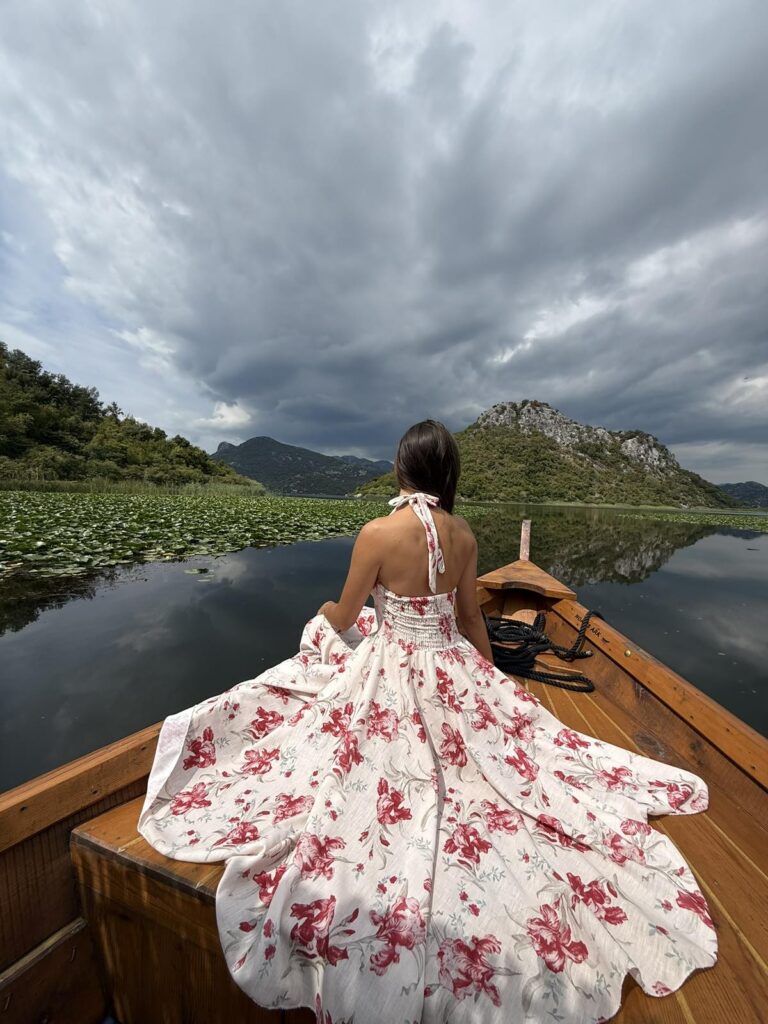
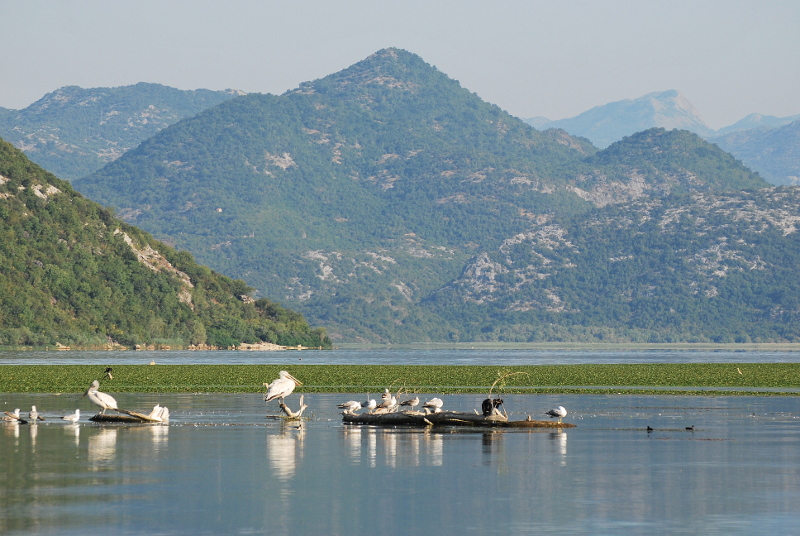
Lake Skadar, a hidden jewel of Montenegro, is renowned for its natural beauty and profound tranquility. It is one of the five National Parks of Montenegro and a wetland protected under the Ramsar Convention. The lake is home to numerous bird species, including pelicans.
This vast and picturesque lake stretches for about 40 km, from Vranjina to Shkodra, while at certain points its width reaches up to 14 km.
The surface of the lake lies approximately six meters above sea level, while its greatest depth reaches around 44 meters. The bottom of this unique natural gem descends about 38 meters below sea level, making it a striking example of a cryptodepression.
Throughout the year, Lake Skadar changes its size with the seasons, fed by many mountain and gentle lowland rivers. From this calm and abundant lake, the water flows out through the Bojana River, eventually reaching the Adriatic Sea.
The ‘Eyes’ of Lake Skadar
The “eyes” of Lake Skadar are distinctive, very deep karst sinkholes on the lakebed that resemble underwater springs. They received their name because, on the water’s surface, they appear like “eyes.”
These formations are natural phenomena through which underground waters from the surrounding karst landscape rise into the lake. They are characterized by great depth, exceptionally clear water, and a rich underwater ecosystem. The most famous among them is Raduš, which is also the deepest point of Lake Skadar.
The eyes of Lake Skadar play an important role in the lake’s hydrology, as they contribute to its water supply. At the same time, they represent a fascinating natural attraction and an important subject of scientific research.
The Cultural Heritage of Lake Skadar
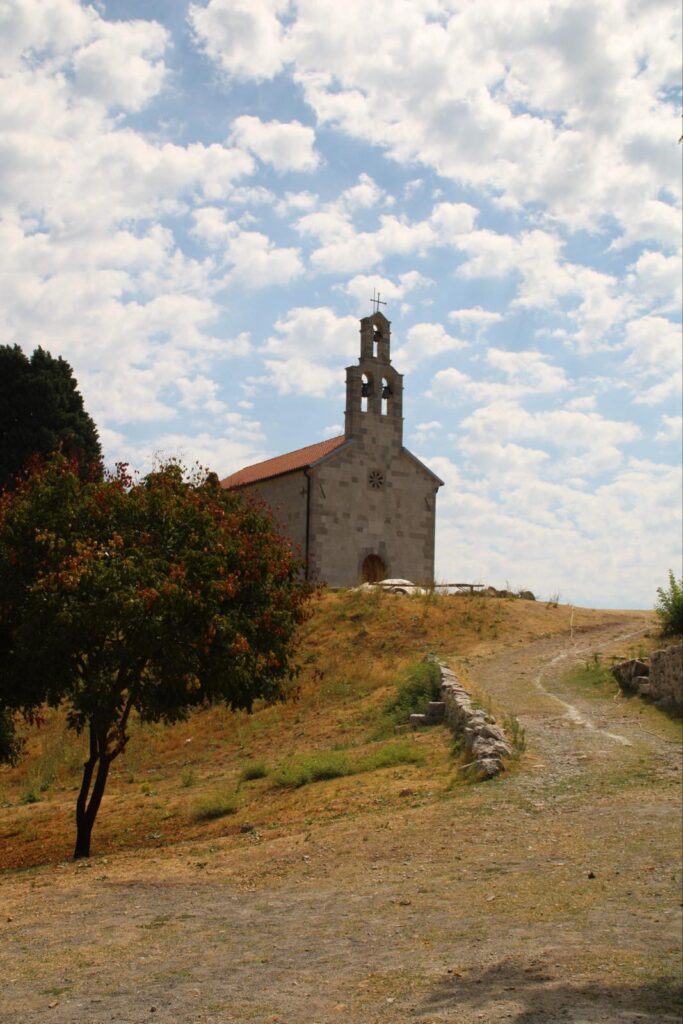
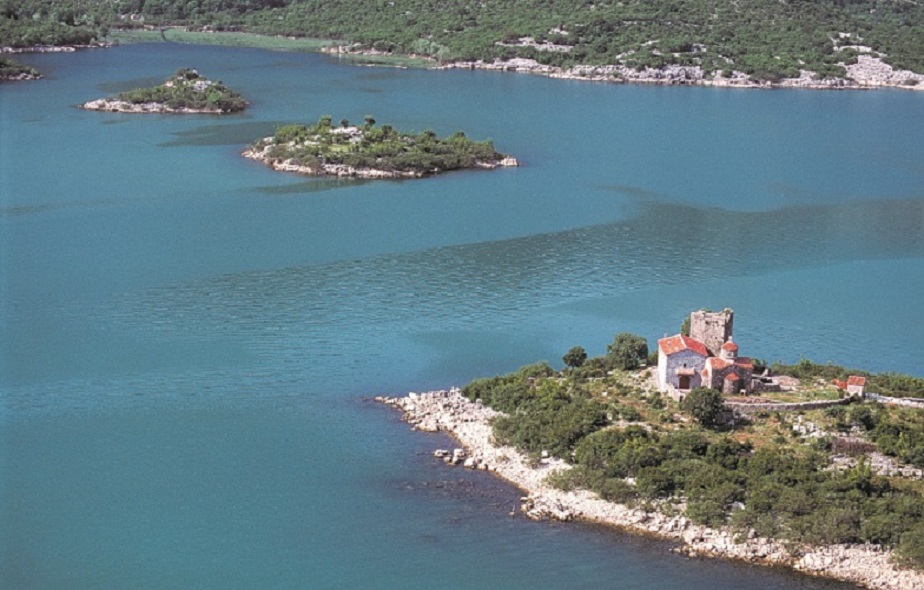
The lake is dotted with numerous islands and peninsulas that preserve traces of history and valuable cultural heritage. Among them are Žabljak Crnojevića, once the capital of the medieval state of Zeta; Lesendro Fortress, a fortress built on a rock in the middle of the lake; and Grmožur Fortress.
Lake Skadar is home to many medieval monuments, including monasteries and fortifications.
Starčevo Monastery
One of the typical medieval sacred monuments on the lake.
- Built in 1377 on the island of Starčevo
- Founded by the monk Makarije of Starčevo during the rule of the Balšić dynasty
- Served as an important manuscript copying center in the Middle Ages
- Today it has been restored and functions as an active monastery
Beška Monastery
- A complex consisting of two churches from the 14th and 15th centuries
- An endowment of the Balšić dynasty
- Known for the creation of the Gorički Zbornik, an important medieval manuscript
- Today it is a women’s monastery open to visitors
Interestingly, the place is also called “Granata.” The name does not refer to a military grenade, but to the pomegranate, which grows abundantly in this area. The nuns produce homemade pomegranate juice.
Moračnik Monastery
- First mentioned in 1417
- The complex once included a church, residential quarters, and a tall tower surrounded by defensive walls
- It represents a typical fortified monastic complex
Lesendro Fortress
- Documented since the 15th century as an important military stronghold
- A witness to the battles for control of Zeta
Flora of Lake Skadar
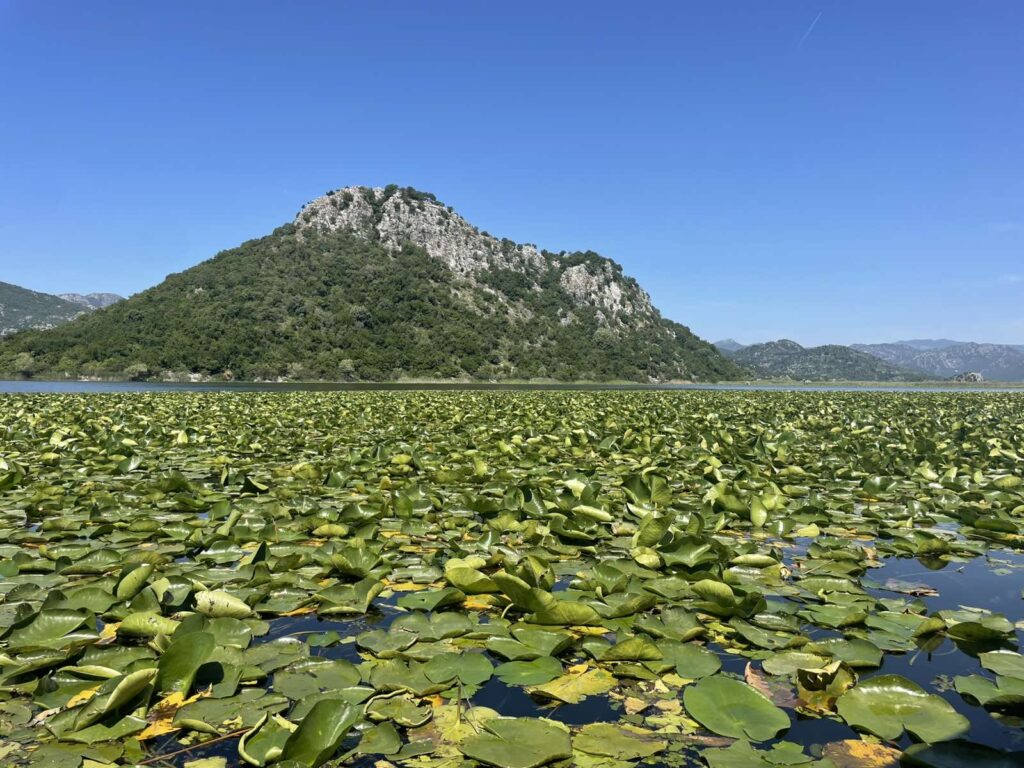
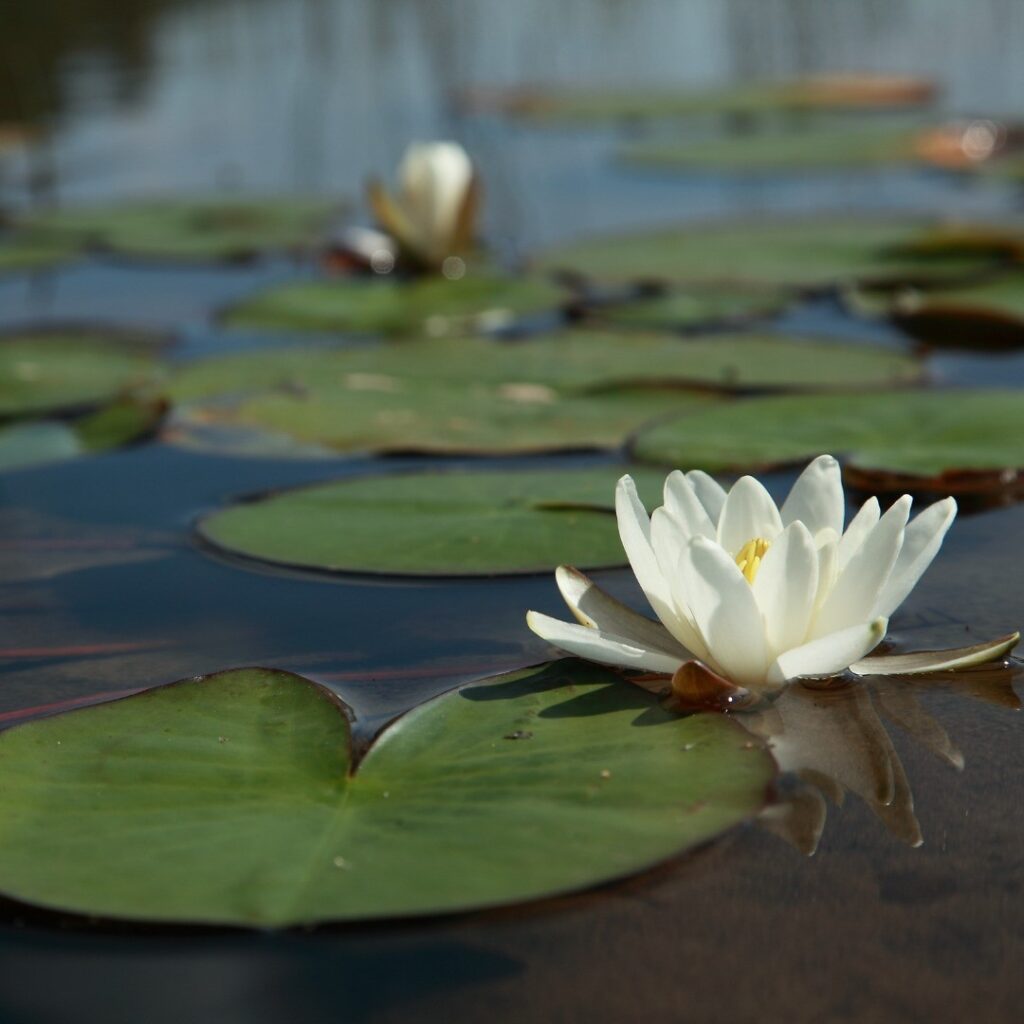
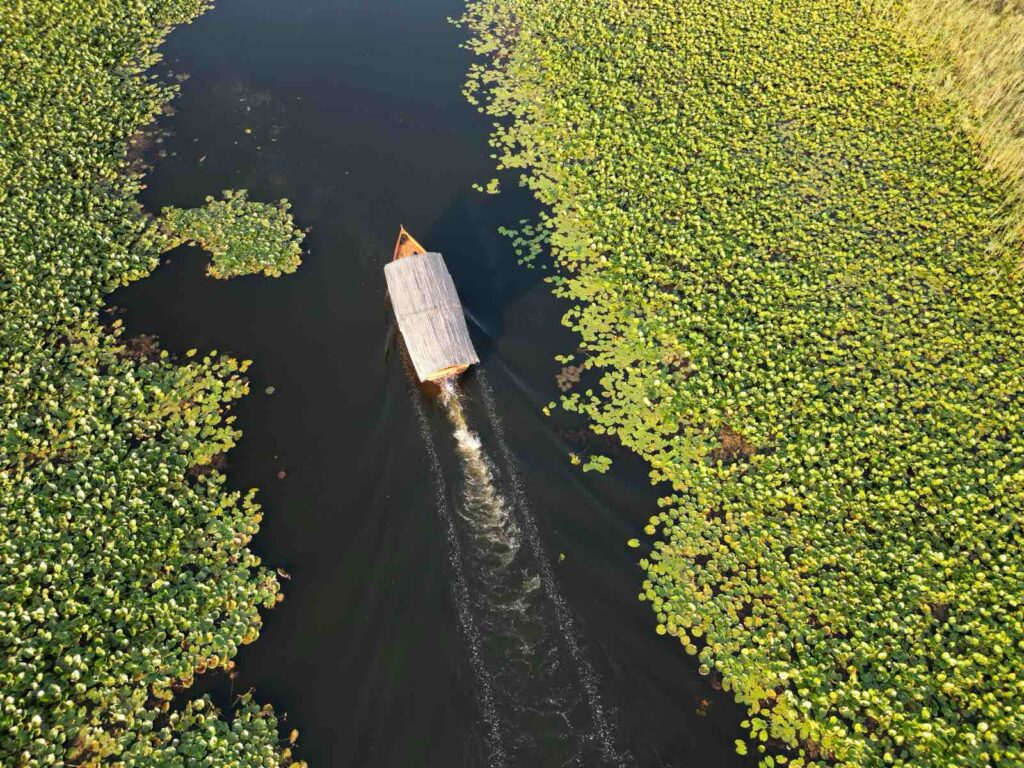
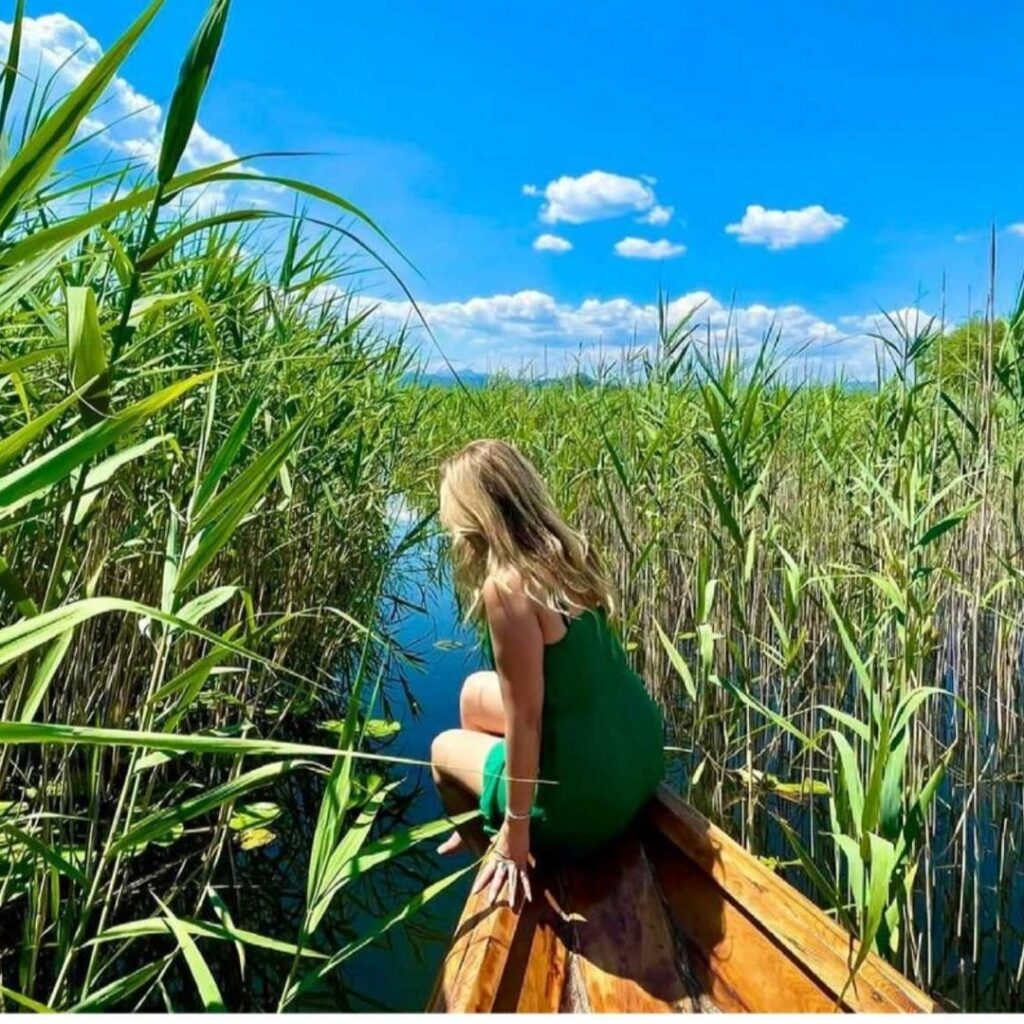
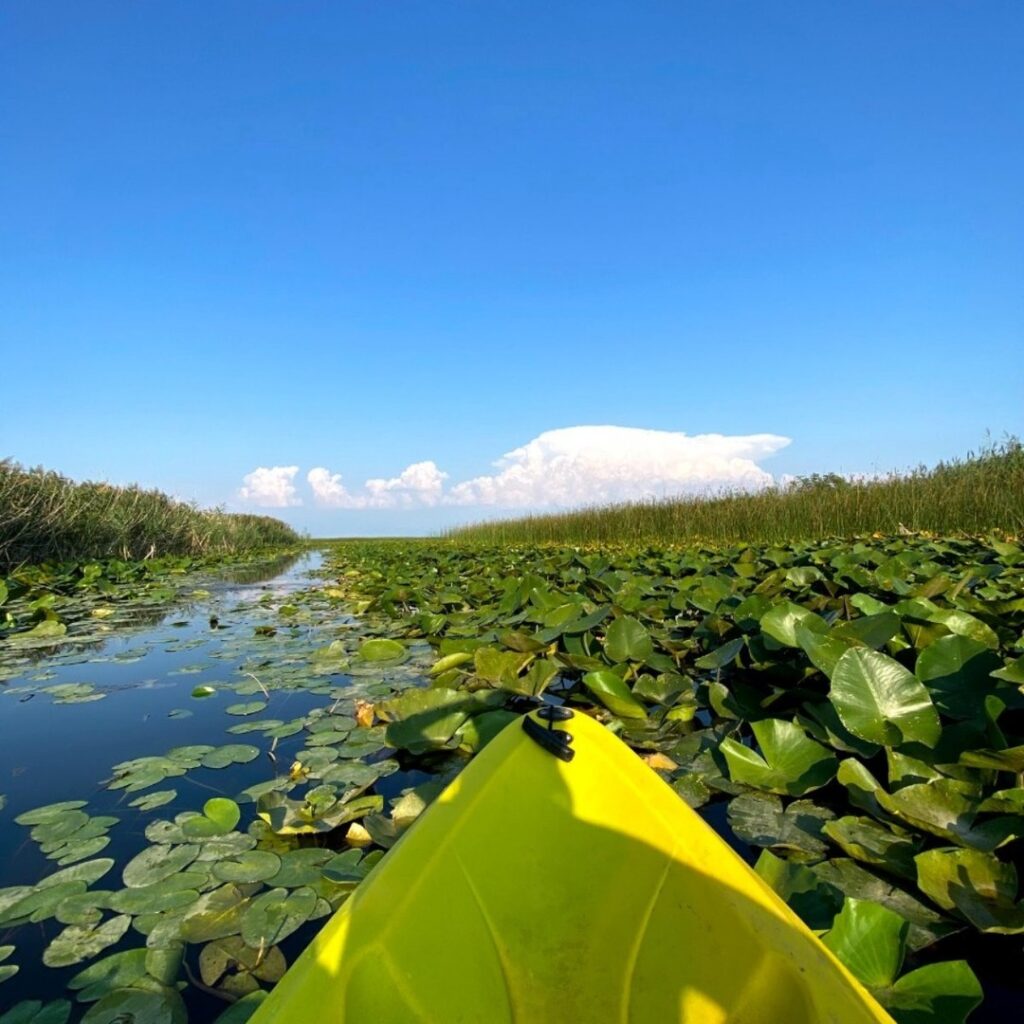
The plant life of the lake is characterized by lush wetland vegetation. Along the shores, reeds and cattails dominate, while the calmer water surfaces are covered with white and yellow water lilies.
In the shallow areas, various aquatic meadows and other hydrophilic plants develop, providing shelter and food for many animal species.
Fauna of Lake Skadar
The animal life of Lake Skadar is exceptionally rich and diverse. More than 40 species of fish live in its waters, the most well-known being carp, bleak, eel, and chub.
The lake is especially important as a bird habitat, with over 270 species recorded. Its most famous resident is the rare Dalmatian Pelican, one of the largest pelican species in the world.
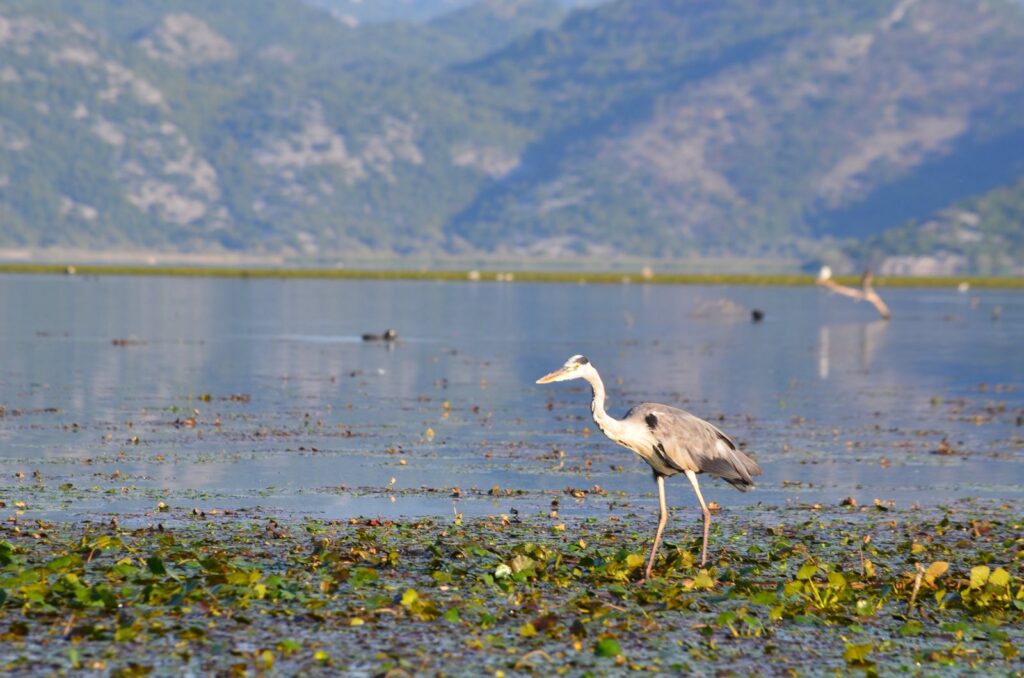
Herons, Cormorant, ducks, and geese are also commonly seen around the lake, making the area one of the most important bird sanctuaries in the region.
Cruising and Sports Activities on Lake Skadar
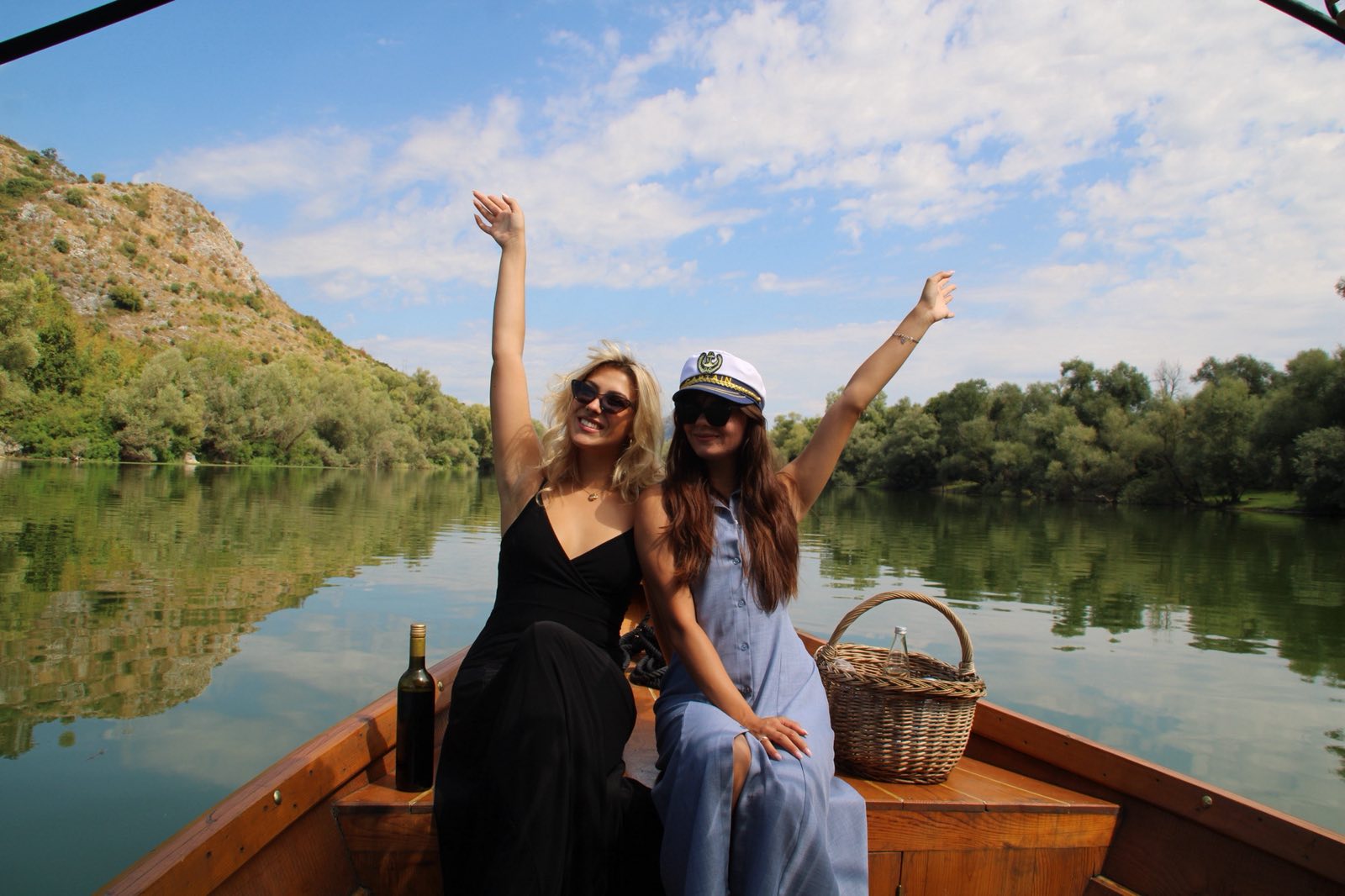
Cruising on Lake Skadar is a highly attractive tourist activity that allows visitors to enjoy its calm waters, rich vegetation, and diverse birdlife.
In addition to boat cruises, the lake is also popular for various water sports and outdoor activities, such as kayaking, rowing, fishing, and sailing.
These activities make Lake Skadar an appealing destination for nature lovers, relaxation seekers, and outdoor enthusiasts who wish to experience the lake’s unique landscapes and tranquil atmosphere.
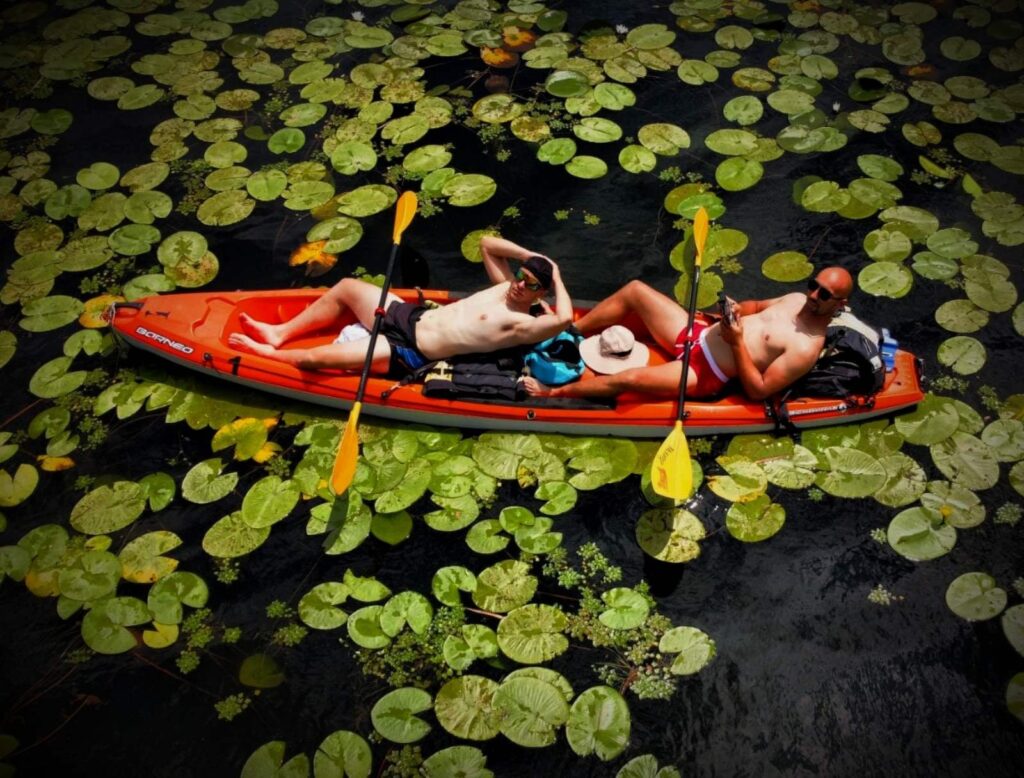
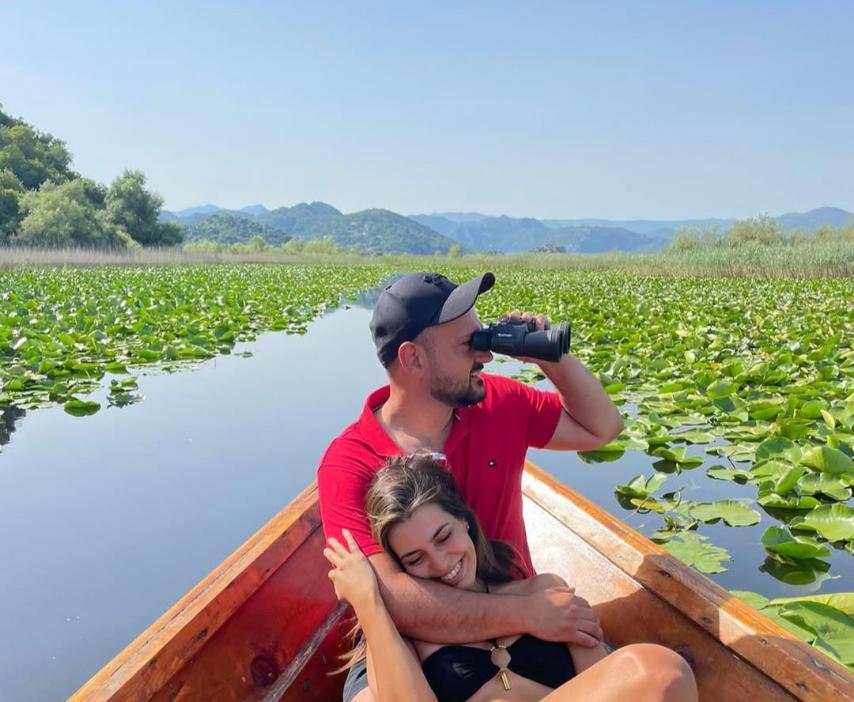

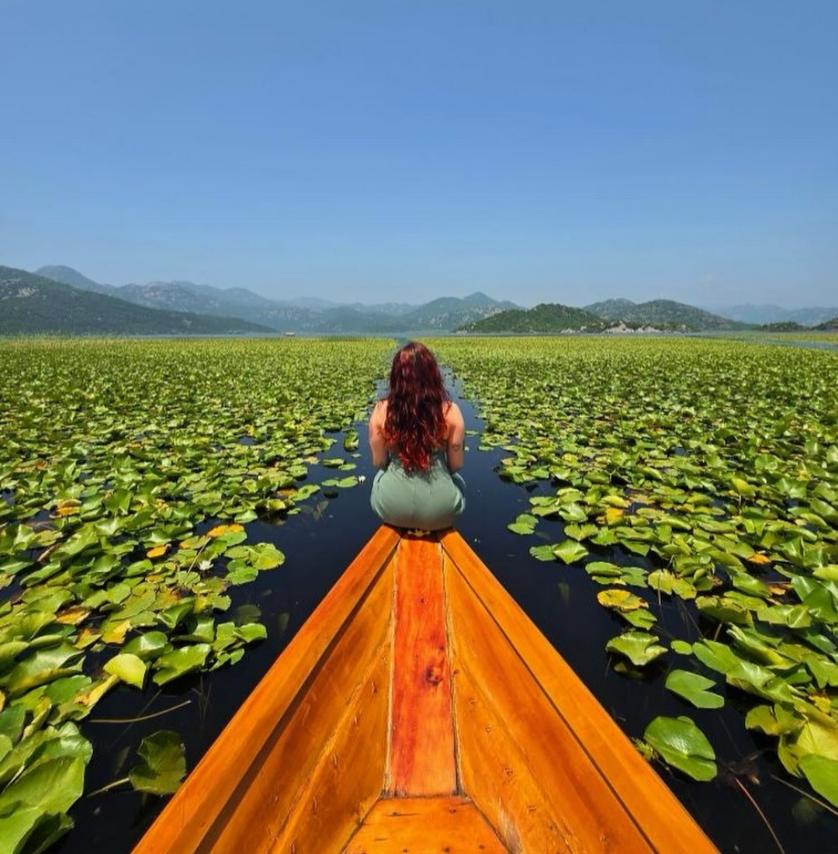



The experience of visiting Lake Skadar is truly exceptional. It allows you to relax in the sparkling waters of the lake and surrender to a moment of peace as you glide across its tranquil surface. Surrounded by the untouched beauty of mountains and lush greenery, you feel the true magic of nature.
The lake’s vast green expanses and abundant natural richness make it a unique destination. Each of the four seasons brings its own special charm, and no matter how many times you visit this national park, there is always something new to captivate you and draw you back.