“Drink the wine, my honored guests, it’s no simple water,
But merry wine that stirs the soul and lifts the laughter.
It may unsettle the host a little—fear not, my friend!
Let it swirl and spin its way, there’s no harm to tend.
So drink, dear host, and honor be your toast,
Among your brothers and companions, let truth and cheer be most!”
One of Zeus’s lovers was Cadmus’s daughter, Semele. According to Greek mythology, their union gave birth to Dionysus, the god of wine—perhaps hinting at how the vine first reached the Budva coast. Knowing the value of this plant, from which the divine drink wine is made, and since his grandson was Dionysus, the god of wine, the powerful and wealthy king Cadmus took with him a bundle of vine cuttings when he left Thebes.
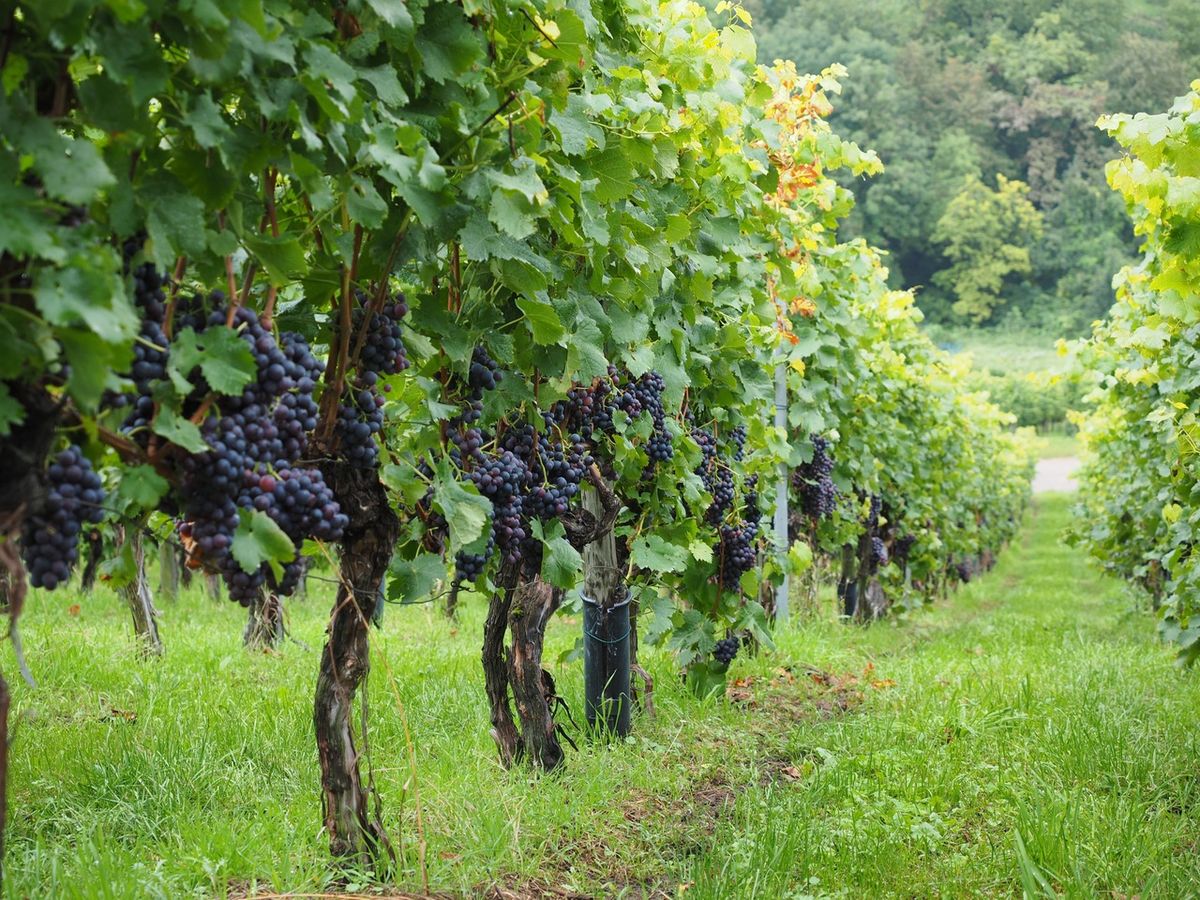
Settling permanently on the coast beneath Mount Spas and founding ancient Butama (from which Budva later emerged), he had these cuttings planted in the Budva plain, in the area now known as the Veliki or Velji Vineyards.
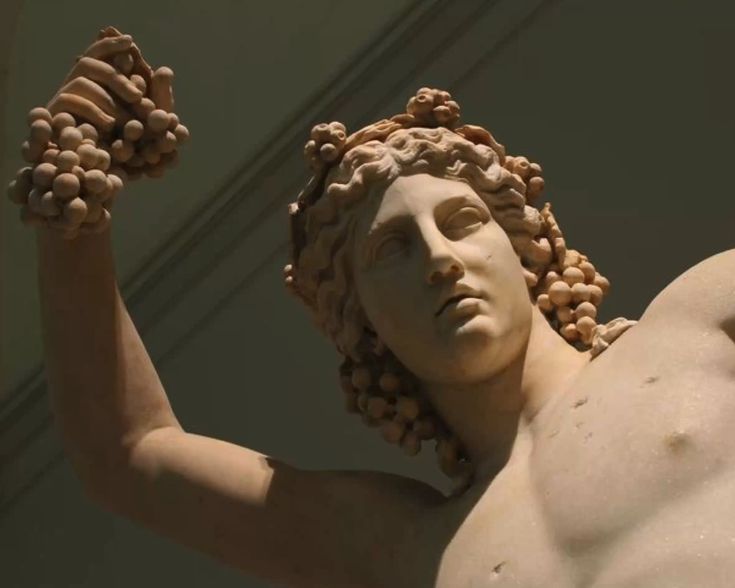
Dionysus taught the people of Budva the secrets of planting grapes and making wine
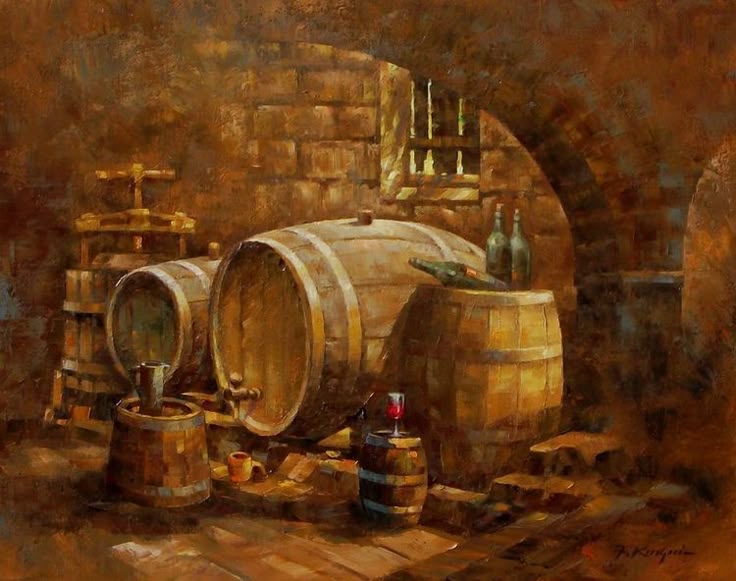
The grapes were crushed with feet in wooden vats. After fermentation, the wine was poured into wooden barrels, and then from the barrels into glass demijohns. It was transported in leather pouches made from sheep skins, with four legs serving as handles for carrying.
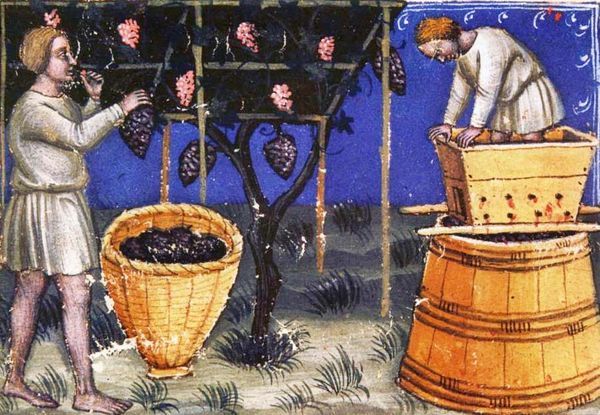
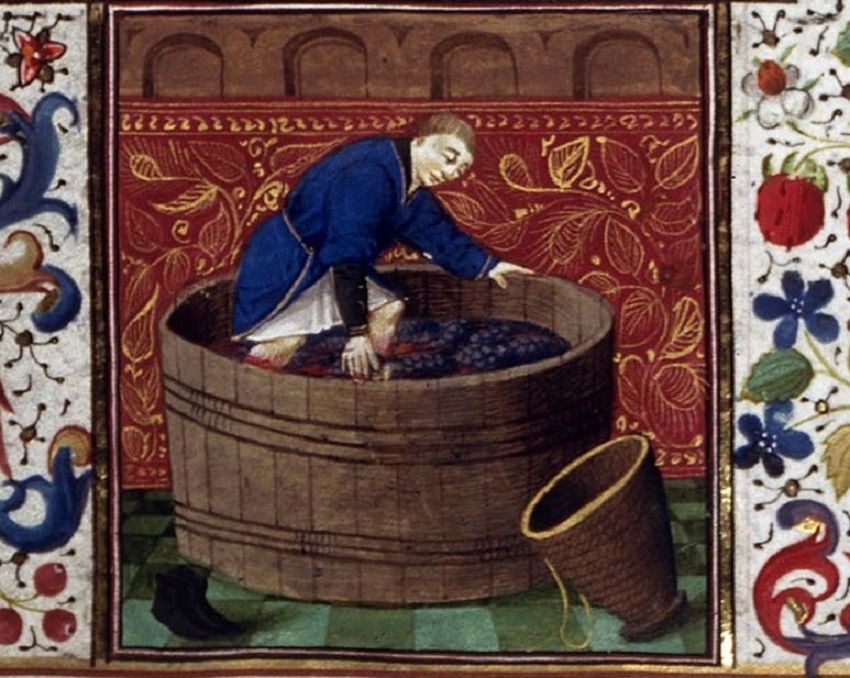
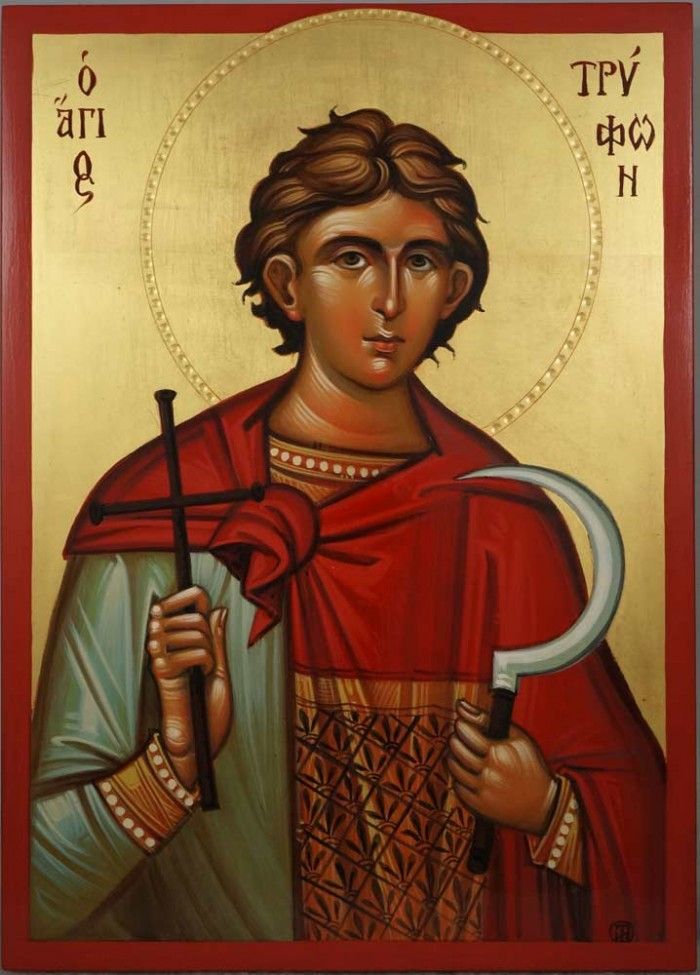
The people of Bokelji celebrated Saint Tryphon, praying for the protection of their vineyards. During the Nemanjić era, vineyards spread not only along the coast but also across the inland regions, and wine was a regular part of the local diet.
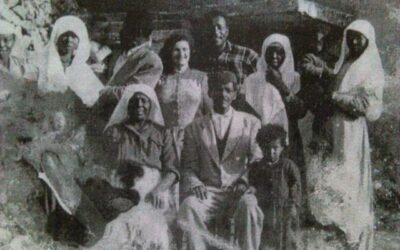
In addition to imported wines from the Mediterranean, distributed by traders to the interior, Budva has a long tradition of producing high-quality wines. In the 20th century, the Armenko family from Buljarica supplied their wine for many years to the Serbian royal family, and later to Marshal Josip Broz of Yugoslavia.
REŽEVIĆ WINE
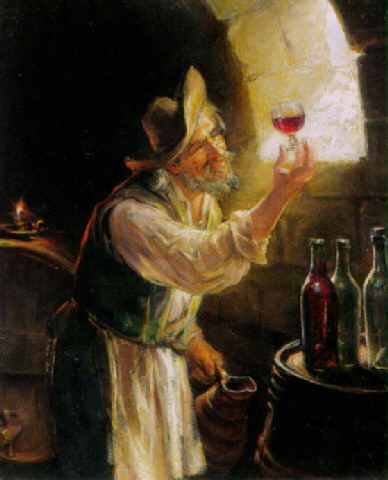
According to legend, on the site where the Reževići Monastery would later be built in the Middle Ages, there once stood a tavern. In front of it was a stone pillar with a hollow “panj,” where locals from surrounding villages would always leave a full jug of wine as a sign of welcome and hospitality for any traveler, visitor, or guest “who meant no harm and did no wrong.” Kings and military leaders drank from that very jug. Count Raymond of Toulouse even partook in it when he passed through Paštrovići with his Crusaders in the winter of 1096/97.
The founding of the Reževići Monastery is linked to a 13th-century legend. While passing through these lands, Serbian King Stefan the First-Crowned (Stefan Prvovenčani) became intoxicated on Paštrović wine. After sobering up, he decided that in 1226, at Reževići, he would build a church dedicated to the Assumption of the Virgin Mary.
NO WATER ALLOWED!
In the Charter of Stefan the First-Crowned (1198–1228), adding water to locally produced wine was strictly prohibited.



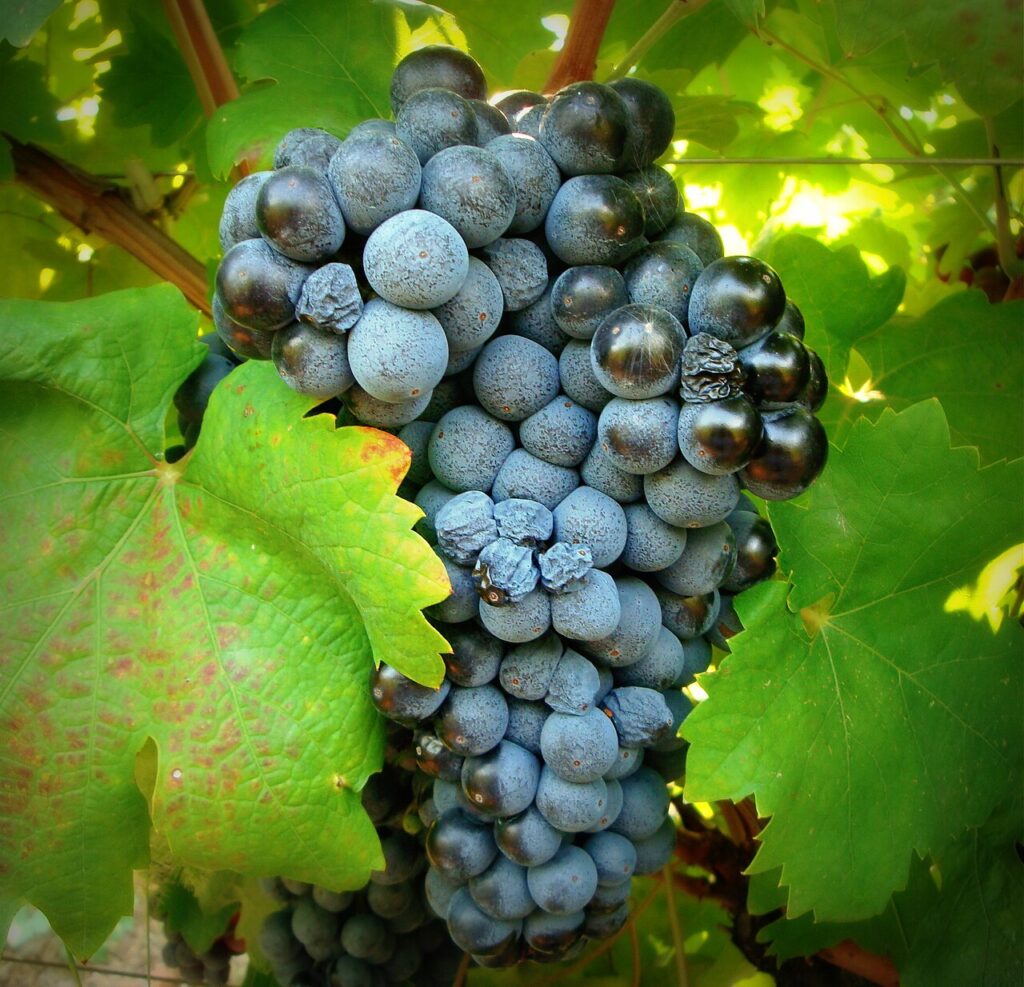
The vineyards suffered both from Muslim invaders, who forbade wine, and from diseases that devastated grapevines across Europe. Vineyards were mostly cultivated around monasteries, with Praskvica having the largest planting. Among all grape varieties, the most widespread in the Budva region was the indigenous kratošija, the pinkish-lavender lisica, and žižak. Other varieties included vranac (later replaced by the more resilient “Amerikanka” variety). Among white grape varieties, mekuša was particularly common, followed by japudžak, bijela rozaklija, and others.
IMPERIAL STATUS OF WINE
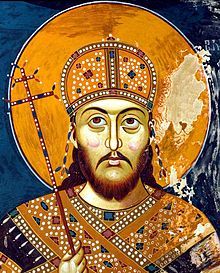
In Chapter 261 of the medieval Statute of Budva, issued by Emperor Dušan, it is written:
*”We order that anyone who takes a kratošija vineyard from one of our citizens to cultivate on a lease is obliged to plow and dig it throughout March, and in May to hoe between the vines, clear the leaves, plow, and tie the shoots. Furthermore, we decree that they must plow a third time by St. Vitus’ Day and remove the soil no later than St. Peter’s Day.
Moreover, anyone who takes a young vineyard on a lease is obliged to dig it the first time throughout March and the second time throughout May, and must give half of any apples, figs, and pears to the vineyard owner.
If any other vineyard work is required, it must be done during the proper season. As for the stakes, they must be placed according to agreement. Anyone who disobeys will pay a fine of 4 perpera and forfeit the wine. Every task must be performed properly at the appropriate time, as outlined above, except for the water trench and pruning, which must be done according to mutual agreement.

Source: Božanstvena Budva činjenice, zanimljivosti, priče i legende